05 Aug
Monday, 9 am, peak season. The jaw plate cracks. The mechanic says the spare is “definitely in the store.” It isn’t. Someone drives to the dealer, the plant sits idle for hours, and trucks line up at the gate.
Meanwhile, in the corner of that same store: three conveyor belts nobody remembers ordering.
Every crusher owner has lived some version of this story. It’s not bad luck. It’s an inventory problem.

Why spares go out of control
- Purchases happen in a hurry. Breakdown, call the dealer, buy now, record it later (or never).
- No one knows what’s in stock. The store register is updated when someone remembers.
- Parts leave without a record. Issued to a machine, a contractor or “the other site,” with nothing written down.
- Duplicate orders. Two people order the same item because neither can see the other’s purchase.
- No link to the machine. You can’t tell which crusher or loader is eating the most spares.
The two costs you’re paying
1. Downtime cost. Every idle hour still carries salaries, power demand charges, interest and lost dispatch.
2. Dead-stock cost. Money locked in parts that sit on a shelf for months.
Good inventory control reduces both, so you keep the right parts and fewer of the wrong ones.
Start with the critical ten
List the ten parts that stop your plant when they fail: jaw plates, cone liners, screen mesh, belts, bearings, key motor spares. Keep a minimum stock for these. Track everything else normally.
List the ten parts that stop your plant when they fail: jaw plates, cone liners, screen mesh, belts, bearings, key motor spares. Keep a minimum stock for these. Track everything else normally.
A simple spares routine that works
- Record every purchase against the supplier and bill, entered once.
- Issue parts against a machine, never “general use.”
- Set a minimum level for critical spares and reorder before you hit it.
- Count the store monthly. Physical count vs system stock; investigate every gap.
- Review cost per machine quarterly. The loader that eats twice the spares may need replacing.
Connect spares to your cost per tonne
Wear parts are a real part of what each tonne costs you to produce. When purchases and issues are recorded properly, they flow into your costing. See our guide on How to Calculate Production Cost per Tonne.
How RokMixPro helps
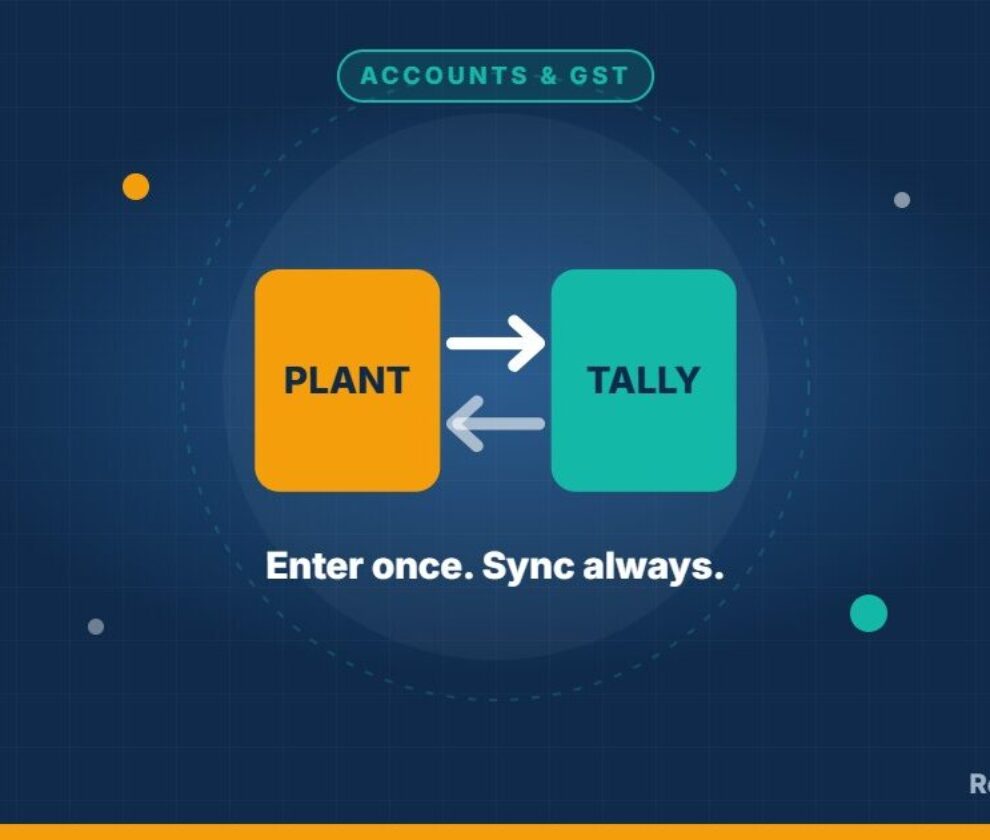
RokMixPro includes inventory and expense tracking alongside weighbridge, dispatch, fuel monitoring, GST and Tally integration, so purchases, stock and costs live in the same system as your sales. Bills that go to Tally don’t need to be typed twice. Explore RokMixPro or our production management software.
FAQ
Do I need to track every nut and bolt?
No. Track critical and high-value items closely; keep low-value consumables simple.
Who should own the store?
One responsible person, with issues recorded at the time they happen, not at the end of the week.
How soon will I see results?
Usually after the first monthly stock count, when the gaps become visible.
Keep reading
- Your Plant in Your Pocket: The Crusher Management App for Owners
- Crusher ERP Implementation: Your 30-Day Rollout Plan
- The 10-Minute Morning Check: 7 Reports Every Crusher Owner Should Read
See RokMixPro running on your own plant data
RokMixPro is the crusher and mining ERP from M RANK, Bengaluru. Weighbridge integration, IP-camera photos on every slip, fuel monitoring, GST e-invoice and e-way bill, Tally integration and an owner app on Google Play, all in one system.
Book a free demo Chat on WhatsApp or call +91 98454 08134